We use cookies where necessary to allow us to understand how people interact with our website and content, so that we can continue to improve our service.
We only ever receive anonymous information, and cannot track you across other websites. View our privacy policy

-
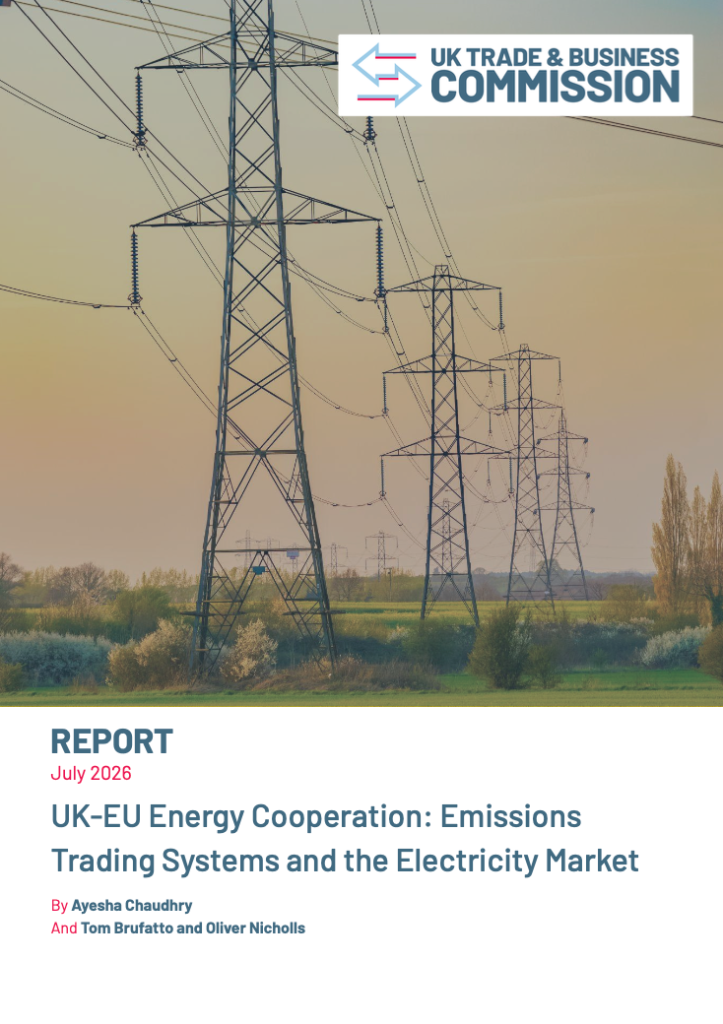
UK-EU Energy Cooperation: Emissions Trading Systems and the Electricity Market
This report, from the cross-party, cross-industry UK Trade and Business Commission (UKTBC) delivers 8 substantive recommendations for the UK Government, and our EU partners on how we can strengthen energy cooperation.
-

The UK-EU SPS Agreement Report
This report, from the cross-party, cross-industry UK Trade and Business Commission (UKTBC) delivers 5 substantive recommendations for the UK Government, and our EU partners on how we can make an SPS deal a reality.
-

Is it time to talk about EU membership?
With the second post-Brexit UK-EU Summit looming, Best for Britain has analysed public opinion towards each model of UK-EU relationship currently under discussion by all major Westminster political parties, the relative economic benefits of each, and considered the benefits and obligations implied by different models for UK-EU relations.
-

The UK-EU Youth Experience Scheme Report
This report, from the cross-party, cross-industry UK Trade and Business Commission (UKTBC) delivers 17 substantive recommendations for the UK Government, and our EU partners on how we can make a youth experience scheme a reality.
-
The UK’s trading partners: Public attitudes towards the UK’s main trading partners, including the EU and US
This report presents the third set of results and key findings of a comprehensive public opinion survey of 4,368 adults carried out by YouGov on behalf of Best for Britain between 5th - 10th September 2025. This report builds on previous Best for Britain research which focused on public attitudes towards Brexit, ahead of the Budget of November 2025, and public views on the biggest issues facing the UK, and local communities.
-
The UK’s biggest challenges: Public attitudes towards the most important issues facing the UK and local communities
Best for Britain's latest polling report suggests that the cost of living is the top priority for people both nationally and locally. Conversely, the salience of immigration and asylum drops from the second most prominent issue in aggregate, to the seventh, when the biggest issues facing the UK are reframed to individuals and local communities.
-
The Brexit Report: Public attitudes towards Brexit ahead of the 2025 Budget
Best for Britain's latest polling report suggests that despite Reform UK’s surge in popularity, the view that Brexit has been more of a failure has increased in support across the supporter bases of all main Westminster parties.
-
Tory voters say Brexit has failed and damaged UK economy
Ahead of the Conservative Party’s 2025 conference in Manchester, exclusive new polling by YouGov for Best for Britain reveals that people who say they intend to vote Conservative at the next general election are now more than twice as likely to consider Brexit a failure for the UK (46%) compared to a success (22%).
-
Britain is off track and Brexit to blame, say Labour’s 2024 voters
A majority of people who voted Labour in July last year have said they think things in the UK are heading in the wrong direction - with almost two thirds pinning the blame on Brexit. Ahead of Labour’s 2025 party conference, an exclusive YouGov poll of more than 4,000 people commissioned by Best for Britain has found that the electoral coalition - who swept the party to power just fourteen months ago - is increasingly unhappy with the direction of the country.
-
The UK-EU Relationship: Public Attitudes towards the 19 May 2025 UK-EU Summit
This report summarises the results and key findings across two comprehensive public opinion surveys carried out by YouGov on behalf of Best for Britain in March and April 2025, in the lead up to the UK-EU Summit held on 19 May 2025.
-
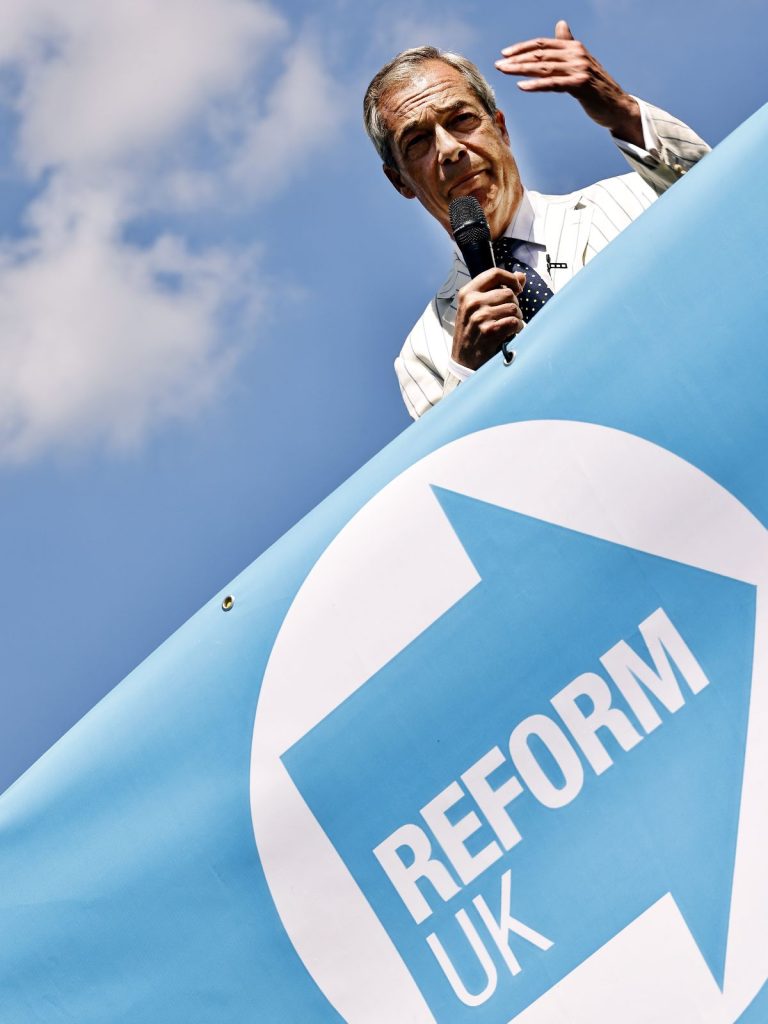
Research Study: Decoding Populism – Who Are Reform UK’s Voters?
Who are Reform UK's Voters? A new study has identified 5 distinct groups among those thinking about voting for Reform at the next GE. Research shows these voters share feelings of frustration but have relatively diverse backgrounds and policy positions.
-

Poll: British voters ready to back a more ambitious EU reset
New data shows strong public support for the government to go further in securing better trade terms with the EU including among Labour voters who are now considering voting for Reform UK. As the UK prepares to host EU leaders at a summit to agree greater cooperation, a poll of almost 5,000 people undertaken by YouGov on behalf of Best for Britain asked what people would accept to secure better trade terms with the EU.
-

Poll: voters expect trade to be government’s top priority at UK-EU Summit in May
A new poll commissioned by Best for Britain by YouGov of almost 5,000 people found that when it comes to negotiations with the EU, Brits expect trade to be the government’s top priority relative to all other options, including improving defence and security cooperation and tackling illegal immigration across the English Channel.
-

Poll: Brits say Trump’s tariffs mean the UK should improve its relationship with the EU
New Best for Britain polling finds Brits want the government to respond to new US tariffs by deepening ties with our main trade partners such as the EU.
-

Poll: Boost economy with new EU deal, not more cuts, say Brits
New YouGov poll commissioned by Best for Britain found that 46% of respondents think a new trade deal with the UK’s largest market is a better way to grow the economy, thereby boosting public finances, compared to 28% who think cutting benefits is the way to go.
-

MRP Analysis: A UK-EU Youth Mobility Scheme
We commissioned YouGov to poll almost 15,000 people in Great Britain on whether they support or oppose the UK and EU agreeing to a Youth Mobility Scheme to allow 18-30 year olds to move between and work or study in the UK and EU. The poll found an overwhelming majority want the UK Government to work with the EU to increase the ability of young people to travel and work. Every constituency in Great Britain is predicted by the MRP analysis to favour supporting both lengths of YMS.
Sign up for our newsletter
Get our research, campaigns, and analysis in your inbox. No spin, no noise — just the evidence-led case for a better Britain.