We use cookies where necessary to allow us to understand how people interact with our website and content, so that we can continue to improve our service.
We only ever receive anonymous information, and cannot track you across other websites. View our privacy policy

-

Hana Glover
Owner, The Bead Shop (Nottingham) Ltd, Nottingham East“The main barrier affecting my trade with the EU is down to not being part of the customs union anymore. We lost a third of our business overnight when our European customers had to start paying customs charges, and were affected by delays and expense on imports.
“The UK rejoining the EU would eliminate all of these barriers for us.”
-
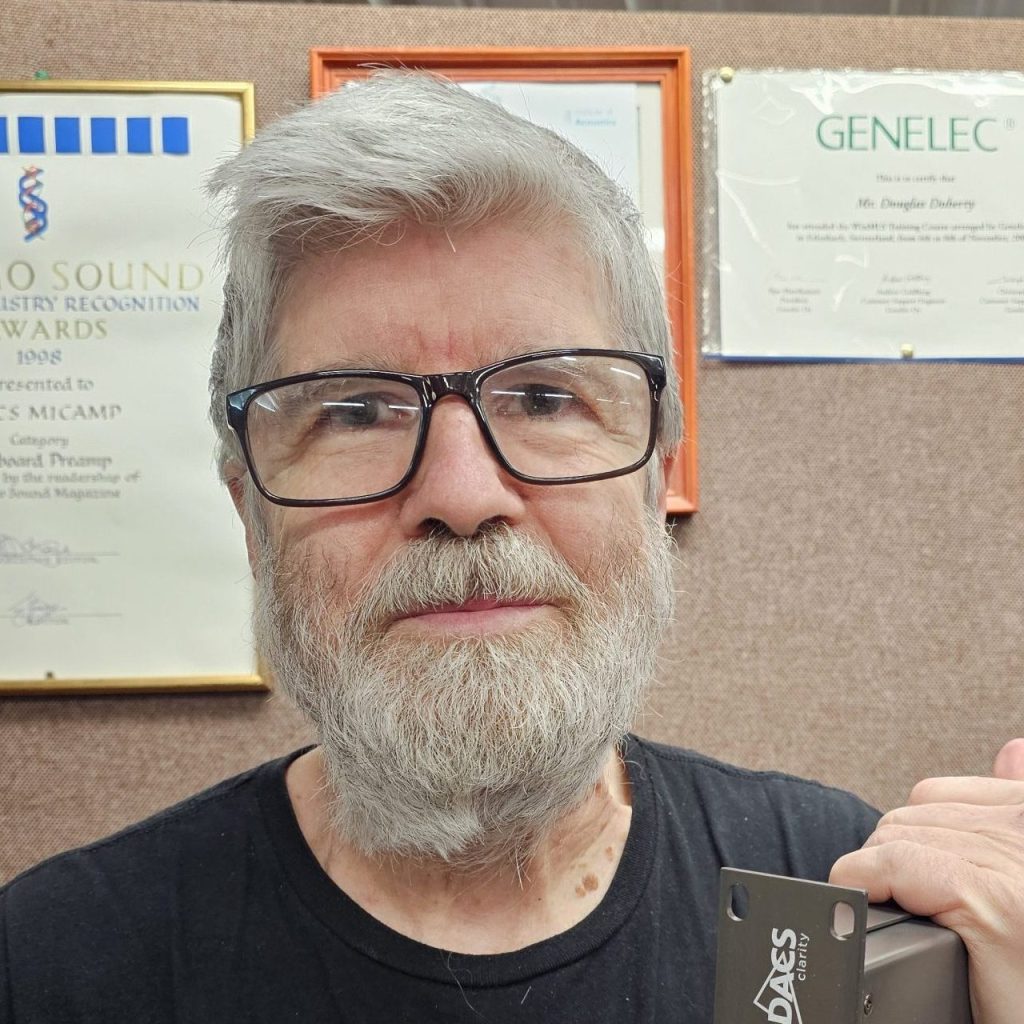
Douglas Doherty
Owner, DACS Audio, Jarrow and Gateshead East“My EU business died after Brexit. I have a new range of products which I will really struggle to sell, at sensible prices, into Europe. Rejoining the EU would definitely be the best option.”
-
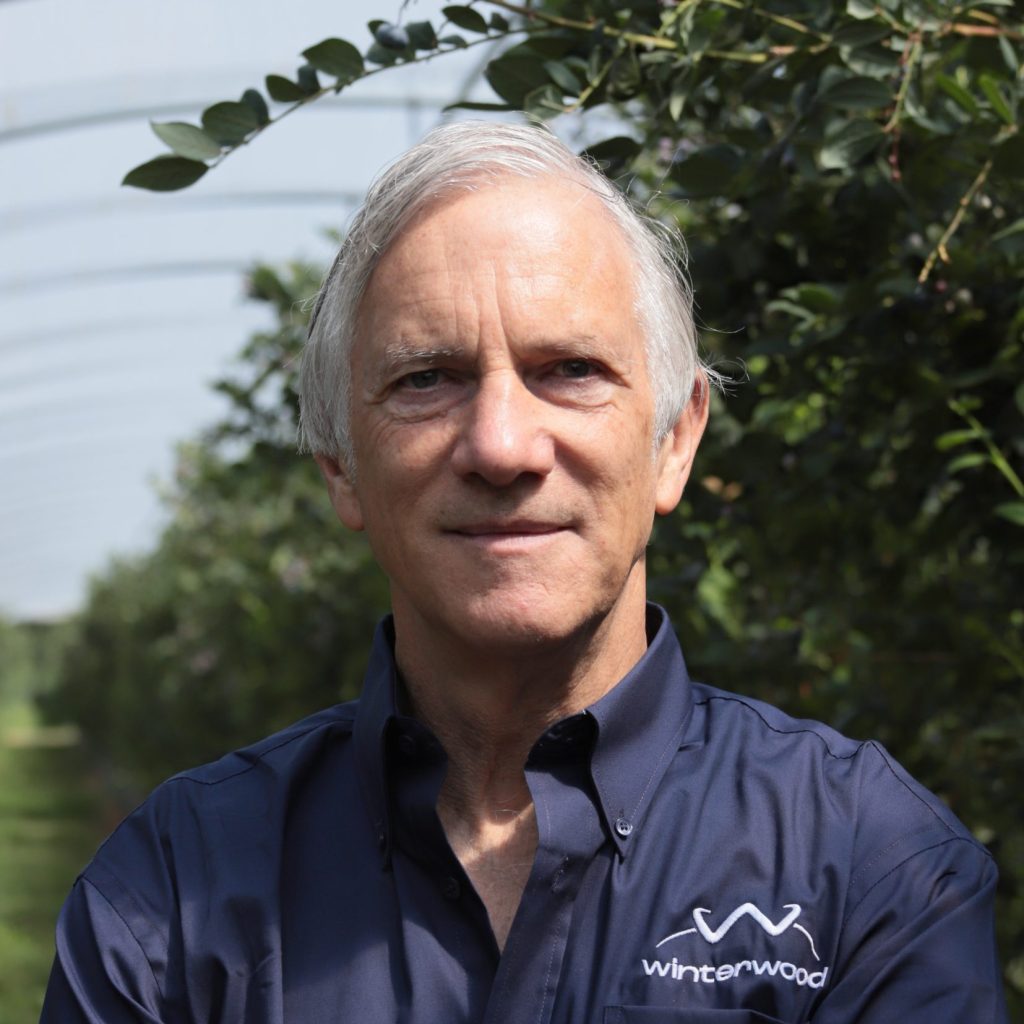
Steve Taylor
Owner, Winterwood Farms Ltd, Weald of Kent“Brexit has affected us in a number of ways, including paperwork for plants, fruit and packaging. The delays and cost have meant that we no longer export soft fruit which has a shelf life of days, and paperwork can take a week to get. Previously we could agree a sale in the afternoon and the fruit would be in Holland overnight. This reduced wastage, as there were options for moving fruit quickly across borders to areas of shortage from areas of oversupply – some of that fruit is now dumped.
“Now it’s so impractical it’s a non-starter – and contrary to some opinion, the US is not an option for fruit imports or exports. Nothing short of going back to full membership will solve all these problems, and our industry would also welcome the free movement of people, that would inevitably be a stipulation for rejoining the EU in some shape or form.
“Without these barriers, we’d be able to expand our growth to start exporting again. Unlike some that see free movement of people as negative, we see it as a positive, as it would give us confidence to expand if we had better labour security.”
-
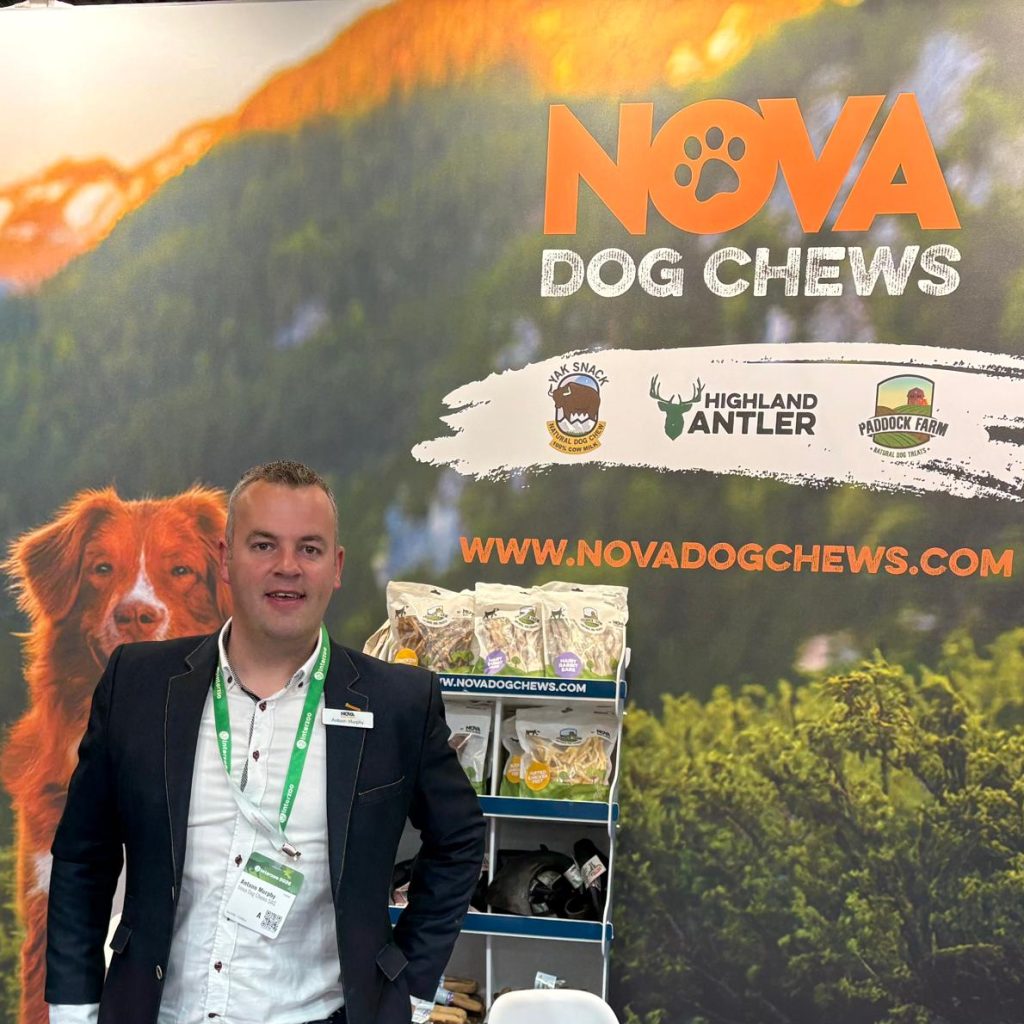
Antoon Murphy
Managing Director, Nova Dog Chews Limited, Kilmarnock and Loudoun“Exporting to our EU customers became extremely difficult post Brexit with the requirement for expensive export health certificates, product testing and export declarations. Haulage companies were also more reluctant to transport goods of animal origin, as there was a risk of vehicles being stuck at border control posts for extended periods of time. We had to set up a depot within the EU single market in the first few months after Brexit was implemented to be able to supply our EU customers efficiently. This is an example of a loss of tax revenue and jobs for the UK economy. The cost of transport has risen for importing as well, as logistics companies price in delays at border control posts and many trucks return to the EU empty with the UK exporting less than it previously did. EU companies are not so keen on dealing with UK companies in our sector because of the hassle of dealing with import declarations and export health certificates.
“If we rejoined the EU, we would look to return the fulfilment side of our EU business to the UK and I would be confident that the UK could export and gain a lot of business with our EU neighbours. Leaving the EU was a tremendous act of economic and social self harm.”
-
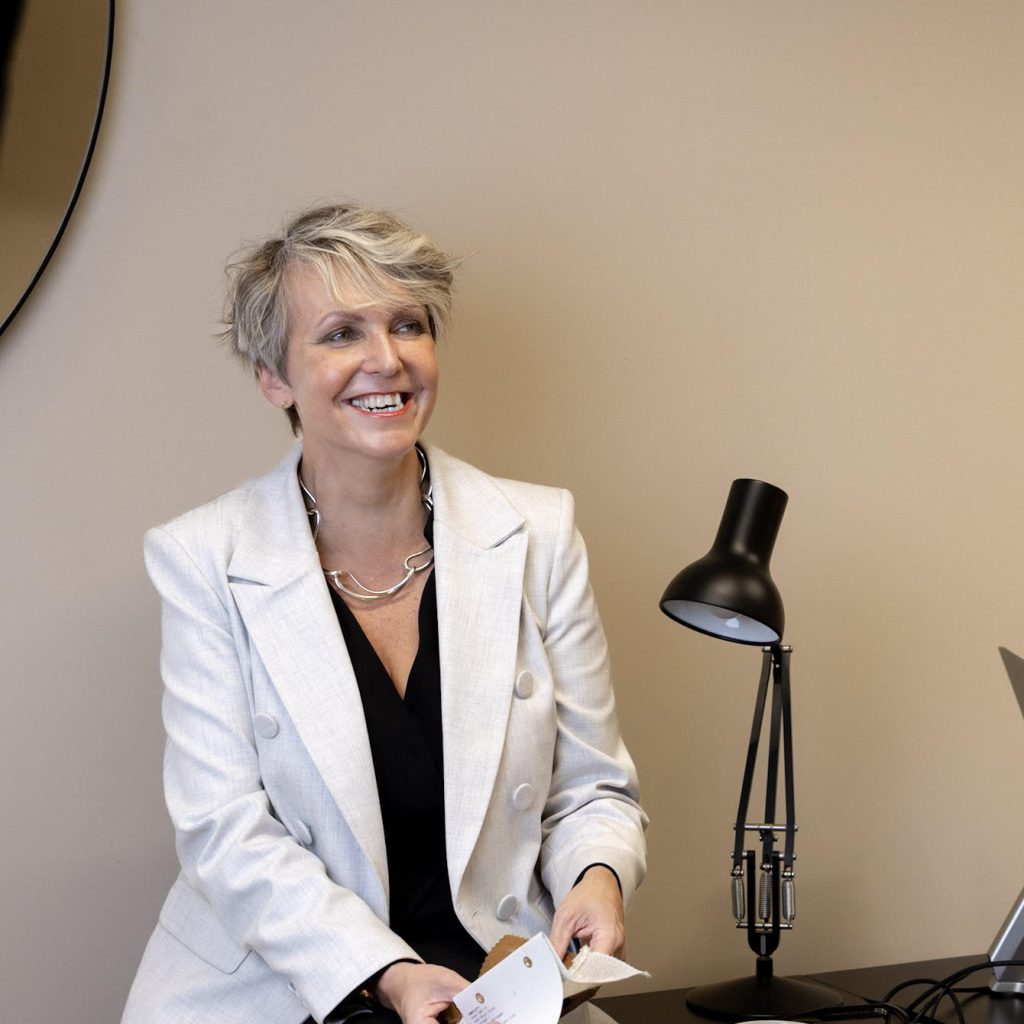
Rachel Usher
Owner, Usher and Co Interior Design, Bassetlaw“Doing business with Europe has become such a burden it is easier not to do it. Some import documents are over 40 pages long and take us hours to complete. It’s a bureaucratic nightmare and I cannot see a single benefit to maintaining the status quo.
“Free movement of goods and people is a significant economic barrier right now and any step to remove this would be a positive one. Restoring our EU membership would mean we could trade our goods without friction but also seek to develop our portfolio within Europe and take on projects outside the UK with reduced cost and limitations. It would also help me recruit and retain designers if I had a wider pool of people I could look to hire.”
-
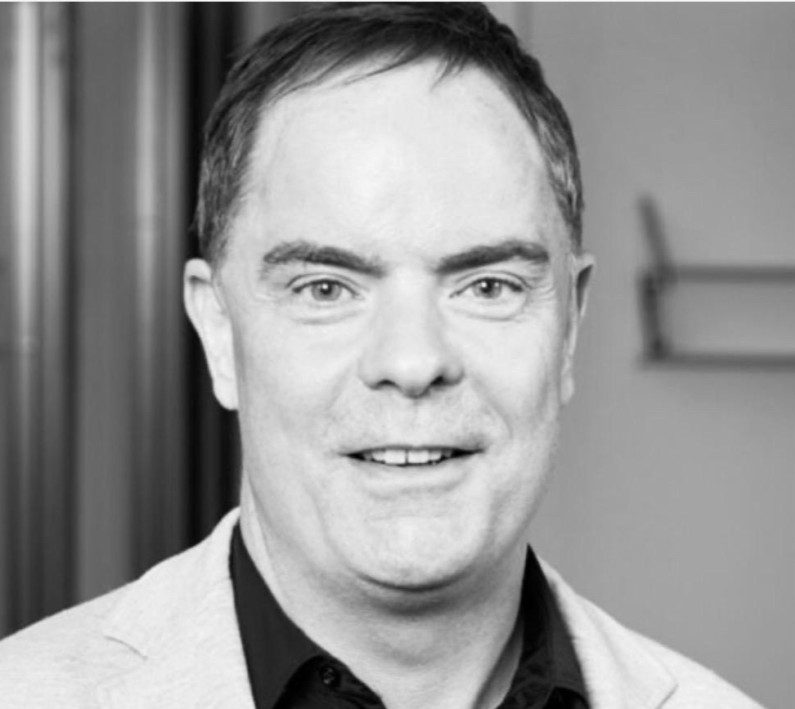
Nathaniel Hook
Managing Director, True Search, Holborn and St Pancras“We have constant issues. As the sixth largest headhunting firm globally, we routinely search across borders and the challenges of getting EU nationals into the UK on a permanent basis are almost insurmountable these days.
“These are high paying, high value jobs and having to domicile candidates in their home markets from a tax and benefits standpoint is an immediate loss to the UK economy. The worst part is that it is now the norm rather than the exception. The UK is simply not an attractive base for senior executives based in the EU. It has been a disaster.
“In pharmaceuticals, there are even more profoundly worrying issues. Put simply, given the UK’s size, it is no longer an attractive market to launch products in, given the additional regulatory hurdles. As a rule, pharma will prioritise the EU first with the UK as an afterthought, and this is likely to worsen as a result of most favoured nation legislation in the US.
“The opportunities we miss, given the global nature of the pharma industry, are extraordinary. The argument made is that pharmaceutical investment has remained stable in the UK but, this ignores the growth that would have been secured had we remained an attractive investment market. The impact of Brexit has been highly negative in terms of investment.”
Be the first to hear when it's time to take action
Get our research, campaigns, and analysis in your inbox.