We use cookies where necessary to allow us to understand how people interact with our website and content, so that we can continue to improve our service.
We only ever receive anonymous information, and cannot track you across other websites. View our privacy policy

Campaigners have argued that “in an increasingly protectionist world, EU membership is the best way forward to avoid being on the wrong side” of tariffs.
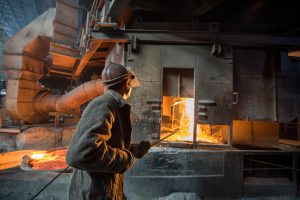
A new EU regulation on steel takes effect today which reduces the amount of duty-free steel the EU will accept from overseas to 18.3m tonnes – and doubles the tariff on imports outside of the quota.
However, the UK – and other trading partners – have secured slightly better terms. The UK has similar steel measures that come into effect today, reducing overall quota volumes by 51% with similarly improved terms for the EU, highlighting the importance of our ongoing relationship.
Commenting on today’s EU steel measures set to reduce the UK’s tariff-free quota, Naomi Smith, Chief Executive of Best for Britain, which campaigns for closer UK-EU ties and has identified voters’ rising support for the UK’s EU membership, said:
“Squeezed between Trump’s tantrum tariffs and global steel overcapacity, the UK now also faces a disadvantage of its own making having left the European Union, before which we had tariff-free access. Despite being one of the thirteen countries with slightly preferential treatment under the EU’s new quotas, we still face a reduction of around 22% compared to last year’s volumes.”
“The government must continue to negotiate with the EU for the survival of the UK steel sector. In an increasingly protectionist world, EU membership is the best way forward to avoid being on the wrong side of such measures, reverse our falling goods exports, and allow the UK and EU to tackle the shared challenge of overcapacity together.”